Copyright and Permissions for Poetry Anthologies: What UK Editors Need to Know
October 10, 2026 - Poetry
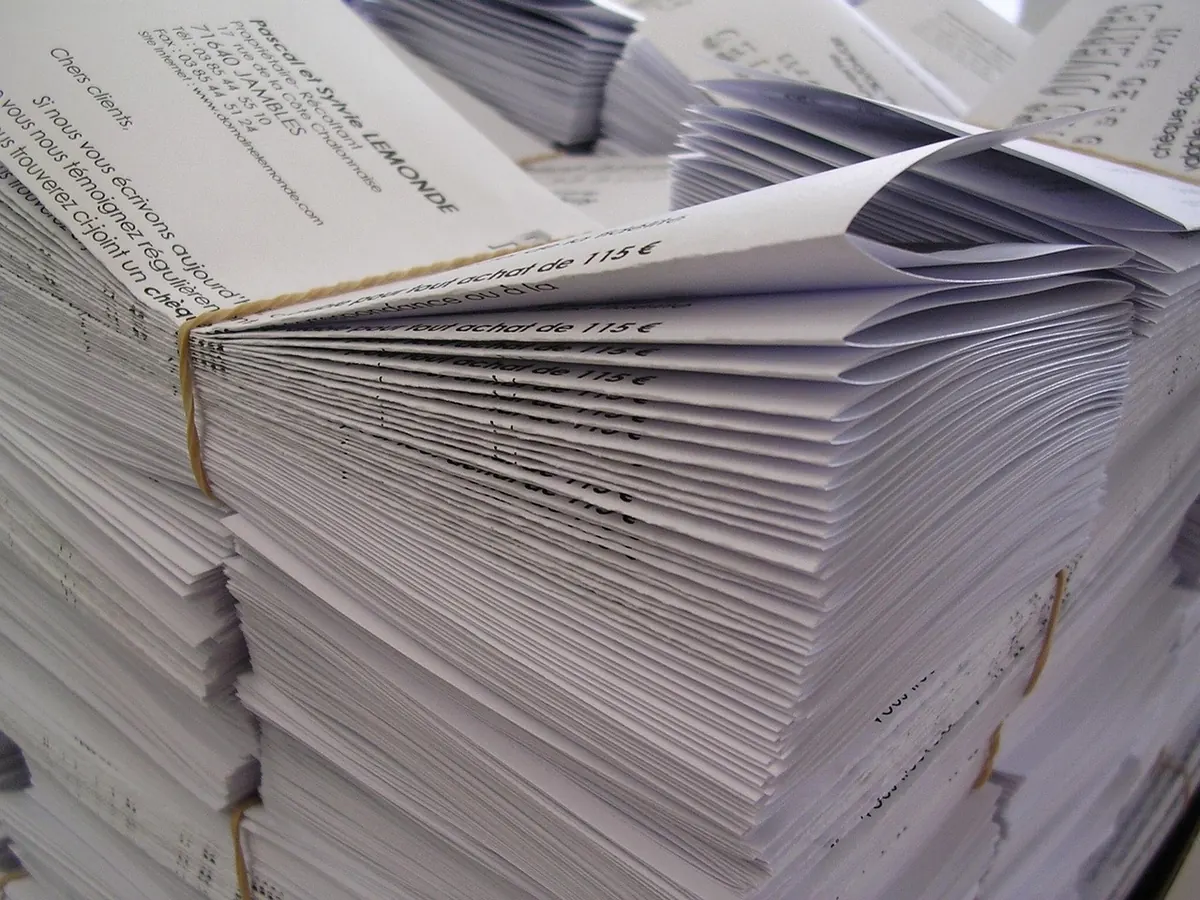
A photography zine is a small object with a long list of costs behind it. The paper, the page count, how many you print and how you post them all pull the price in different directions, and the quote that lands in your inbox rarely tells the whole story. What follows is the order in which to make those decisions, so that by the time you commit to a print run you know what each copy costs you, what you need to sell, and where the money actually goes.
Printers quote on specifications. Vague emails get vague answers, and you will end up comparing prices for three different things. Settle these first:
Ask whether VAT is included in the figure you are given; printed matter is treated differently from some other goods, and if you are selling regularly it is worth a short conversation with an accountant about how that applies to you.
Uncoated paper in the region of 100–130gsm is the affordable choice. It feels like paper, the ink sits on the surface rather than in it, and black-and-white work looks honest on it. The trade-off is show-through on dense images and a flatter rendering of shadows.
Coated stock — matt or silk, usually 130–170gsm — holds photographic detail and shadow separation far better, and gives the zine the weight of a small book. If your images depend on subtle midtones, this is where the money is best spent. Cheap gloss can make a considered body of work look like a takeaway menu, so ask to see it printed before you commit.
Card in the 250–350gsm range, coated or uncoated. A matt laminate protects the cover on a zine that will be handled at markets, but it adds cost and a slight plastic feel. If the cover image is the point of the project, spend there and economise inside.
Every printer has a sample pack. Request one, ask which house stock they use for zines, and ask for a printed dummy in your spec. The same numerical description behaves differently from one printer to the next, and a blank book is cheaper than a reprint.
Digital printing has no plate setup, so it is economical at short runs, though the unit price falls slowly as quantities rise. Litho carries setup costs but a much lower unit cost once you are printing hundreds. For a first zine, digital is almost always the answer; the jump to litho rarely makes sense below a few hundred copies.
Ask for quotes at several quantities at once — 50, 100, 200, 300 — and look at the totals, not the unit price. The gap between 100 and 200 is often smaller than the gap between 50 and 100, because setup is spread across more copies. Risograph suits a certain kind of photography: limited colours, visible texture, cheap at small runs. Find a studio that knows the machine, because a badly run Riso will flatten a delicate image.
Questions worth putting to any printer: what is included (trimming, folding, binding, delivery); is there a minimum order; do you want single pages or imposed spreads; can I see a proof and what does it cost; what file setup do you prefer. Get the answers in writing.
Build a spreadsheet with two columns: fixed costs, paid once regardless of sales, and per-copy costs, paid on every sale. Then work an example through. Say 150 copies of a 32-page A5 zine come in at £600 all in, and delivery, envelopes, boards and test prints add £150. That is £750 fixed, or £5.00 per copy.
Selling direct at £12, with £1.00 of packaging and roughly 3 per cent in payment fees, leaves about £5.64 per copy if the buyer pays postage. Break-even is therefore £750 divided by £5.64 — around 133 copies out of 150. That is tight, and it is exactly why you do the sums before ordering rather than afterwards.
Wholesale changes the picture. A shop buying at 60 per cent of cover pays £7.20, so your margin drops to roughly £2.20 before you have paid to post the box. Stockists are worth having, but they need volume to earn their place.
A few ways to bring the numbers down without spoiling the object:
Photo: fcalard / Pixabay

A practical guide for UK anthology editors on clearing poem rights, the narrow limits of fair dealing, and what a...

How UK authors can crowdfund a short fiction collection: build an audience first, cost the campaign honestly, design...
Copyright © 2026 Dune Press. All Right Reserved.